★ Terra's Call: Behind the Music of the PV and CG ★
It's been a while since our journey to Itzaland began—and what's an unforgettable adventure without music that's just as unforgettable? The CG and PV tracks from this version have already captured stylists' hearts, being replayed again and again.
Once again, we've invited the incredibly talented music team to share their thoughts with us. Join us as we uncover the stories behind these remarkable pieces~ :.゚ヽ(*´∀`)ノ゚.:。
Q: The music for all the Version 2.0 videos is absolutely amazing! What was the overall creative theme for this project? Are there any concepts you can share with us?
A: Actually, the music for Version 2.0 was designed to follow a narrative path, moving from the grand and epic to the intimate and personal. This journey unfolds across the concept CG, the version PV, and the dual 5-star outfits PV.
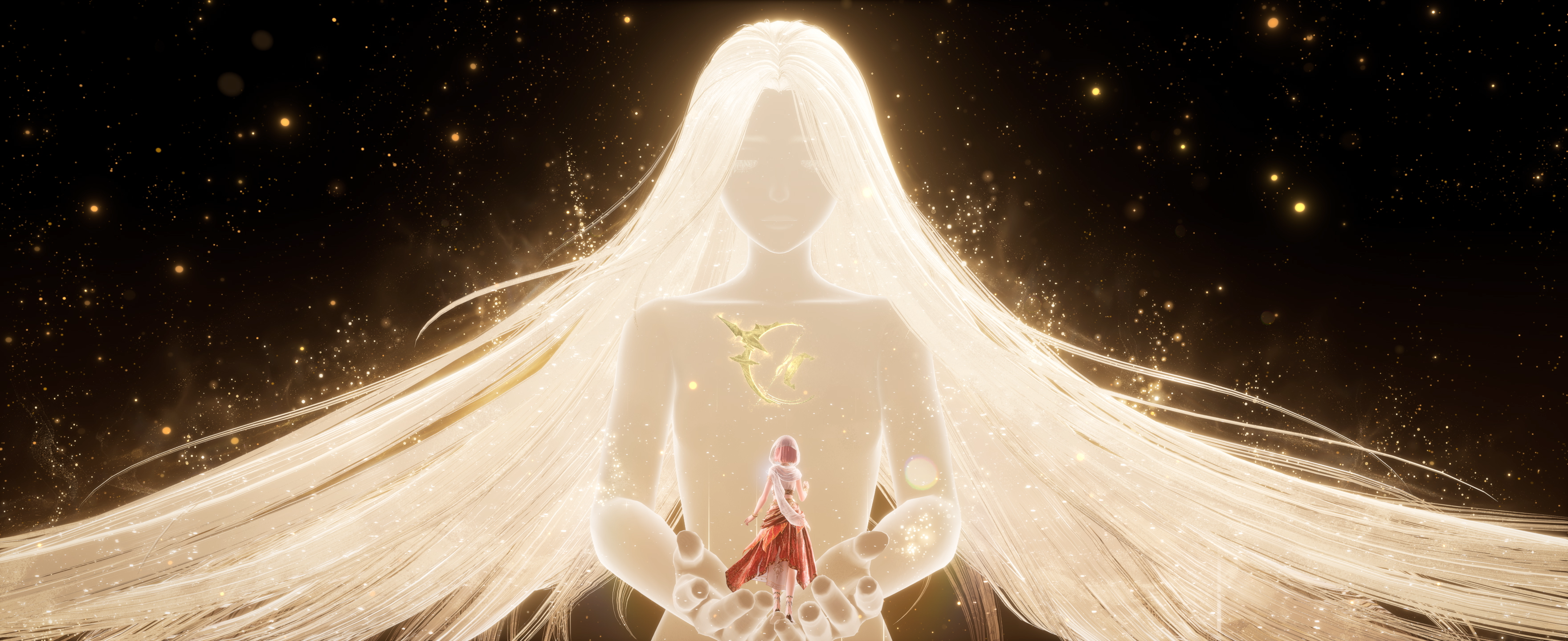
The Concept CG acts as the prologue to Version 2.0's world, introducing all the key elements—the Saintess, the Dragons, the Titans. Musically, we embraced a "grandiose" and "epic" style, combining atmospheric electronic textures, acoustic instruments, and choral arrangements. The goal was for stylists to feel the vastness and majesty of this world from the very first moment.
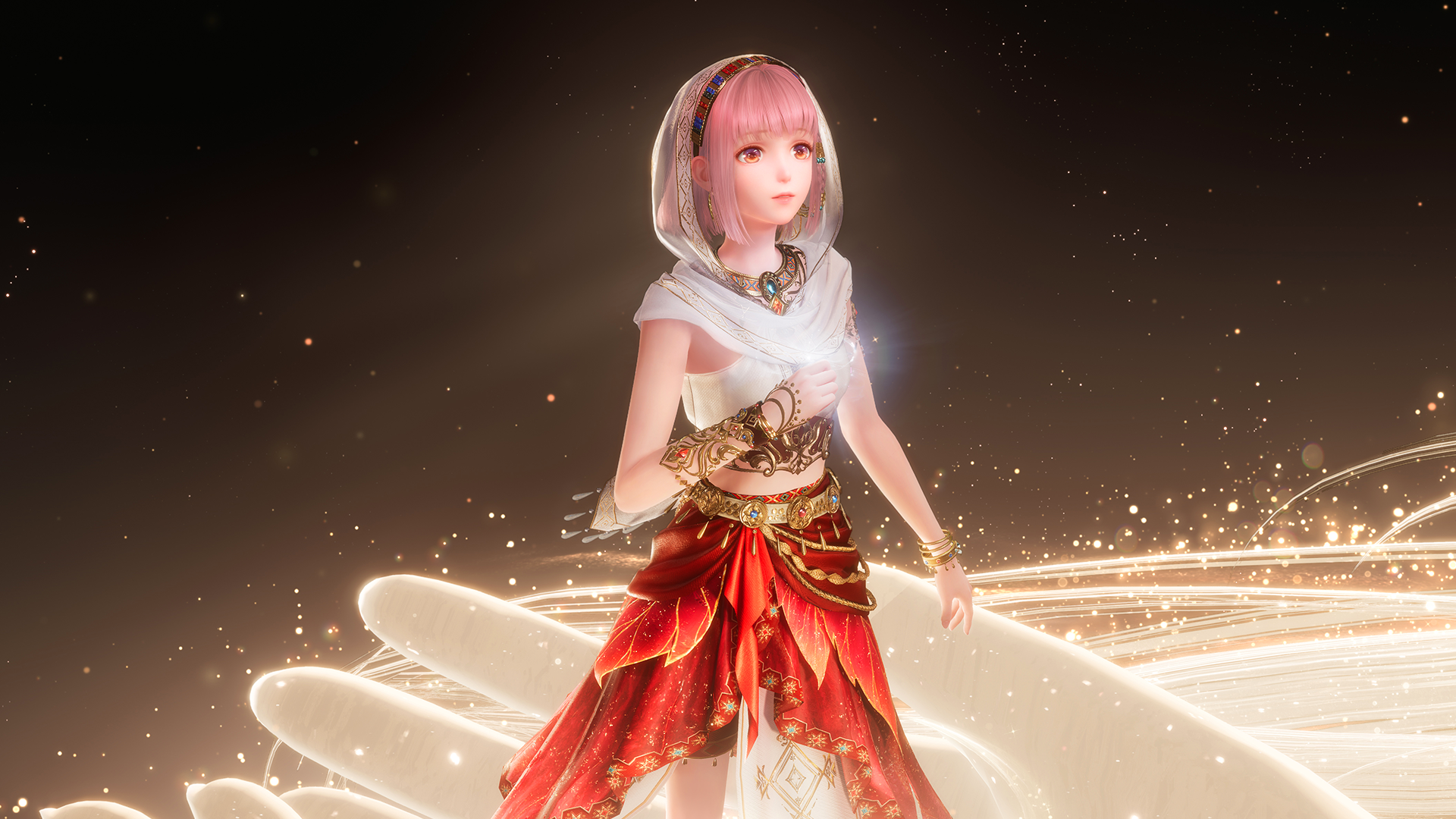
By the time we reach the version PV, the focus shifts to Nikki's perspective, bringing the world closer and making it more personal. The music reflects distinct emotions—joy, tension, and resolve.
For example, the theme song section takes on a lighthearted, playful tone, highlighting fun new characters and locations like the Shroomlings and Spira. Around the 2:14 mark, the music retains its grandeur but emphasizes the courage needed to embark on a new journey, foreshadowing the challenges Nikki will face.
Our aim was for the music to guide stylists naturally from the grand, overarching world into the everyday experiences of Version 2.0—making the journey relaxed, cheerful, and yet still full of excitement. At the same time, we wanted stylists to immediately sense that "Version 2.0 is a brand-new world with a brand-new story."
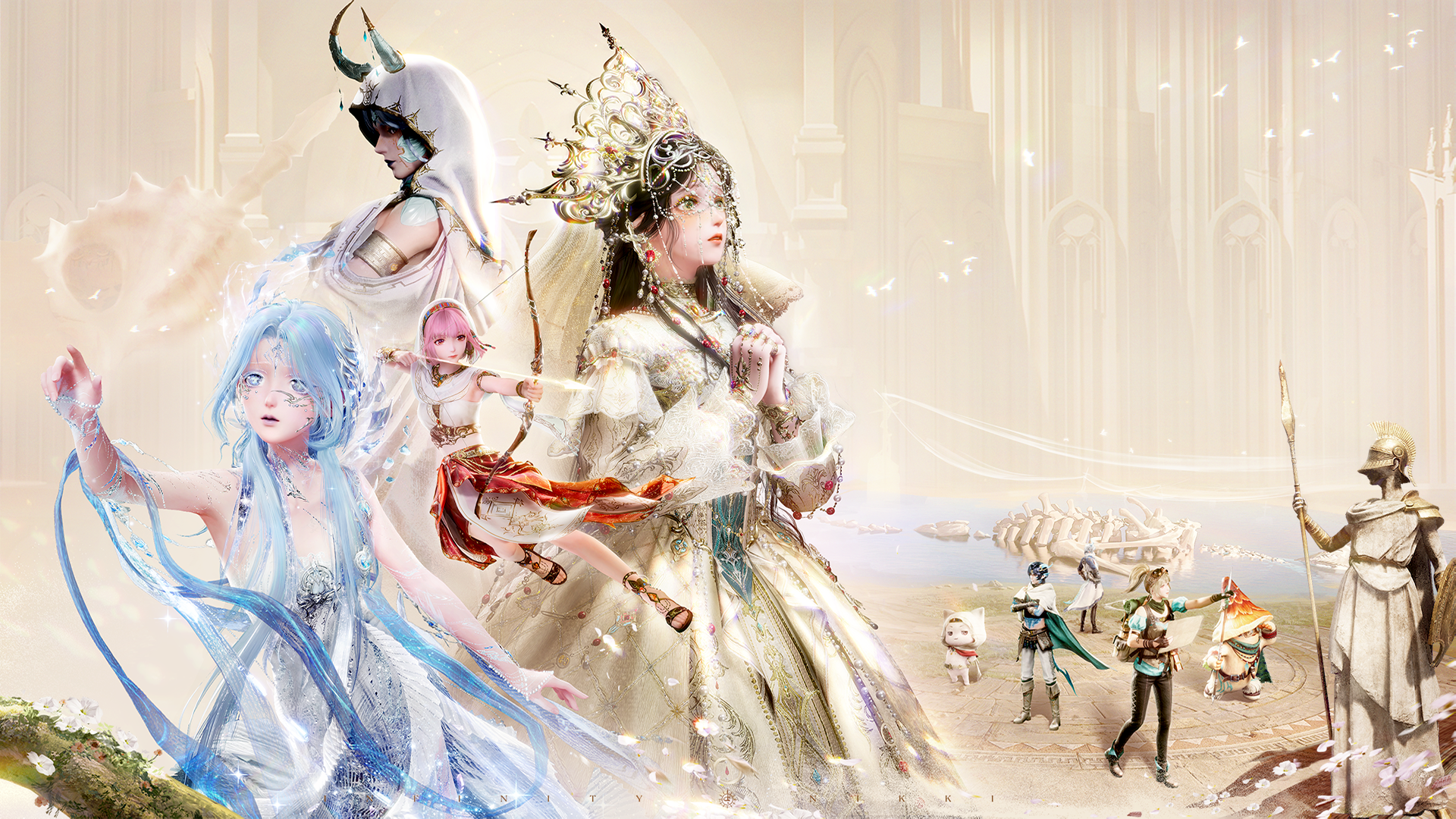
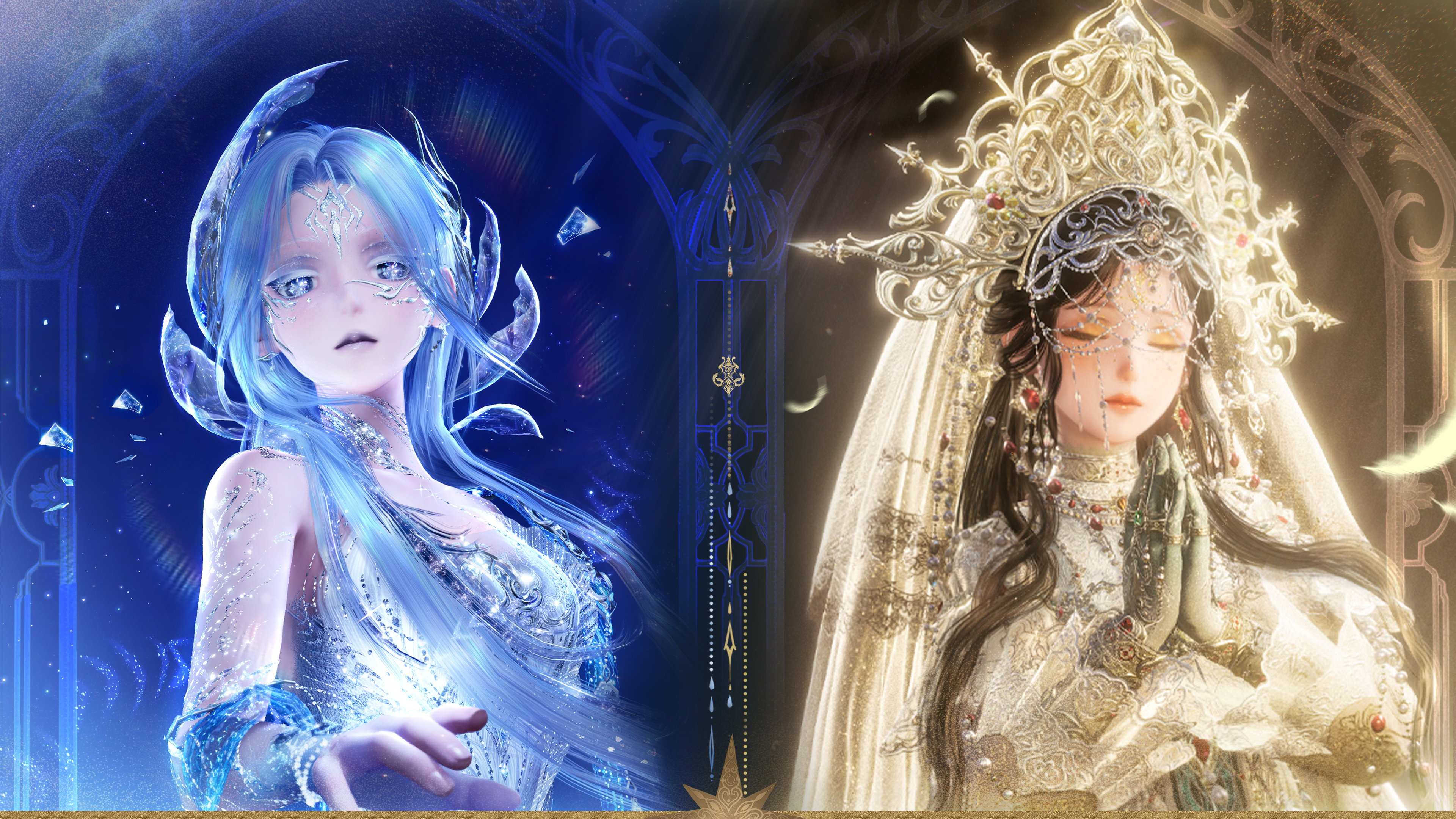
For the dual 5-star outfits PV "Behind Prayers & Born Flawless," the music emerges from the "inner voice of the Saintess." Unlike the broader narrative music, this PV is far more introspective and emotional, carrying even a touch of fate, pulling the focus inward from the world to the characters and the stories behind these two outfits.
Put simply:
The Concept CG expresses the voice of the world → the Version PV conveys the voice of the journey → and the dual five-star outfit PV reveals the voice of the characters' hearts.
Our hope is that stylists, as they experience each piece of content, don't just take in new visuals, but also feel the changing perspectives and emotions woven throughout the story.
Q: The music for the Concept CG feels so grand and majestic—could you share some behind-the-scenes insights?
A: From the very beginning, the creative direction for the Concept CG was clear: we wanted to convey a sense of vastness, solemnity, and epic scale. To achieve this, the first half deliberately leaves space in the soundscape, layering rich ambient electronic textures over sustained low tones. Occasional cello passages and female vocal chants are woven in to deepen the atmosphere, adding a sense of mystery and weight.
At 1:06, the female vocals and the violin intertwine and flow together, capturing the moment when Nikki, entrusted by the Saintess, feels her destiny collide and merge with the Divine Maiden. The visuals shift from light to dark in perfect harmony with this musical storytelling, enhancing the emotional impact of the scene.
Then, at 1:51, we introduced deep, chant-like vocals in the style of sacred hymns. To amplify the scene's solemnity, we layered a male basso profundo choir with ritualistic spoken recitations. The result is a commanding, almost overwhelming soundscape that conveys a sense of immense, irresistible power.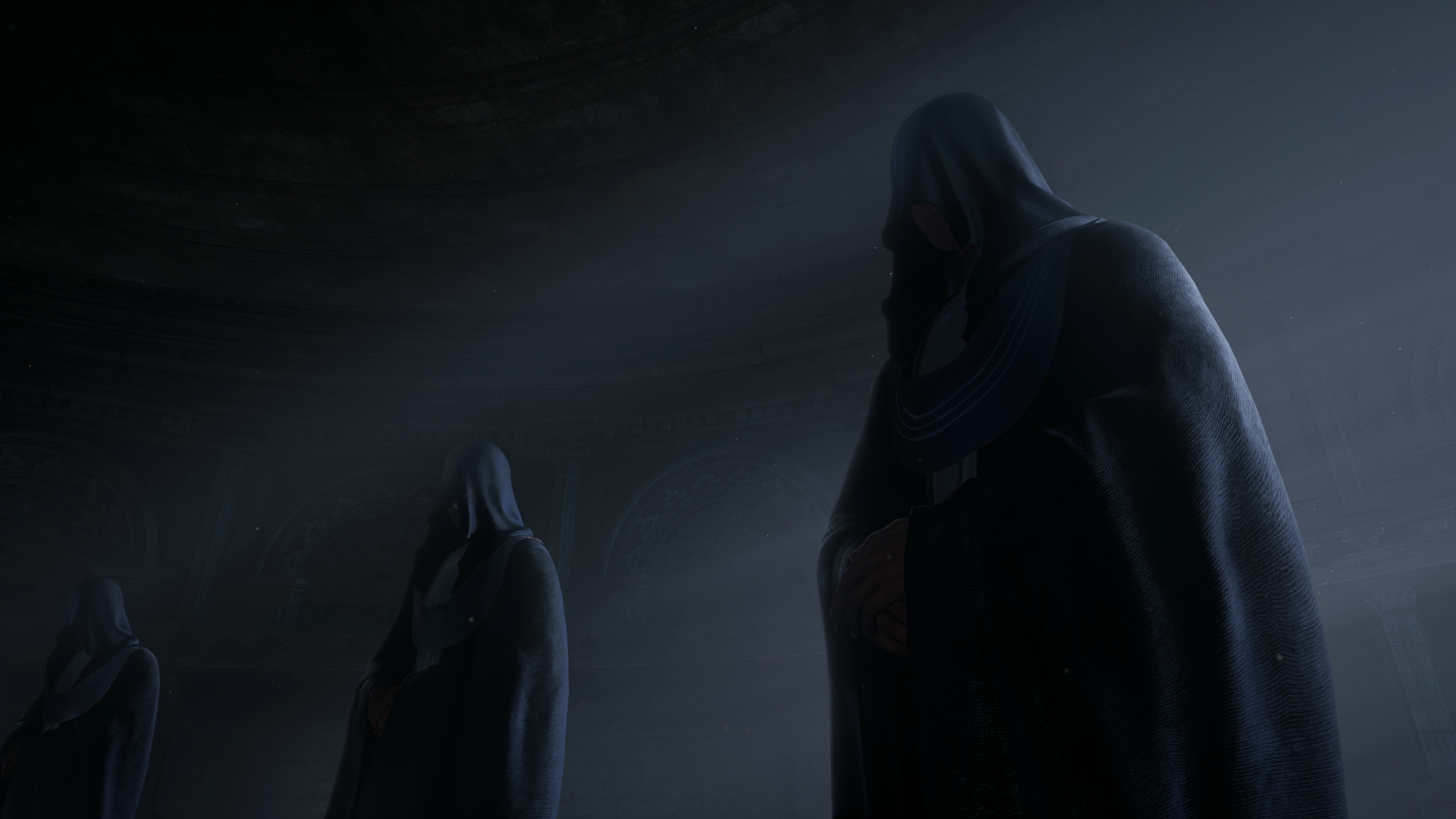
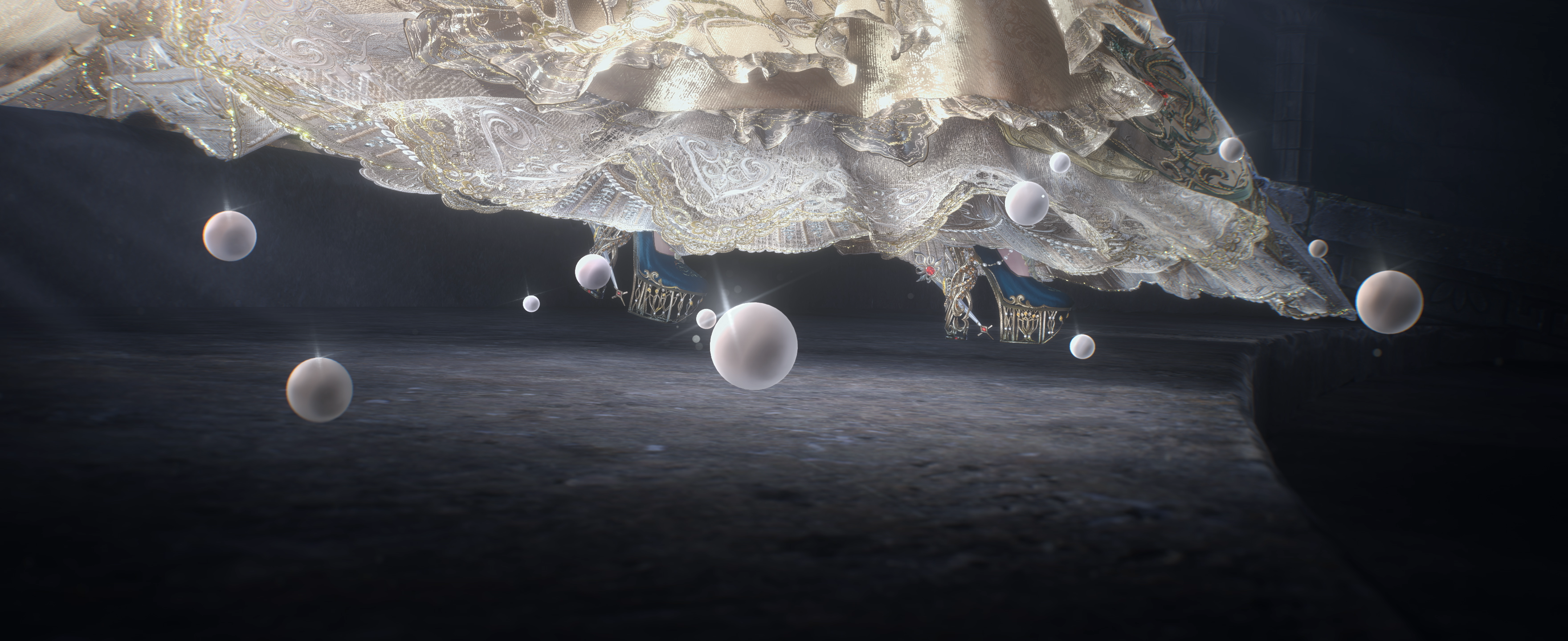
At 2:21, the Divine Maiden's beaded curtain falls, marking the first full climax of the piece as the main theme gradually emerges. Centered in D and blending Dorian and Phrygian modes, this section evokes the feeling of "light emerging from darkness." By 2:55, a soaring female vocal, wild yet commanding, shatters the balance and carries this ancient chapter to its dramatic close.
Bringing this piece to life was no easy feat. From its initial concept to the final version, it underwent countless revisions—many early drafts were even abandoned—before we arrived at a result we were truly happy with. These repeated reworkings stemmed from our belief that the music must harmonize perfectly with both the visuals and the gameplay. Only then could it fully support the story and immerse stylists in the world of 2.0. Crafting a musical narrative required constant experimentation, refinement, and reconstruction. The process was challenging, but seeing the overwhelmingly positive responses from everyone made every bit of effort feel completely worthwhile.
Q: I'm really curious—how are tracks like these created? Is the PV made first, and then the music, or is it the other way around? How do the visuals and music fit together so perfectly?
A: Most of the time, we start with the visuals, story, and other narrative elements before composing the music. Of course, different game modules have different approaches—sometimes the music comes first, or the team draws inspiration from each other and makes adjustments throughout the creative process.
When we receive the storyboards, we first conceptualize the overall feel of the music, thinking about the color tones and the emotions we want to convey. From there, we design the rhythm and tonality. In fact, the visuals themselves already have a sense of rhythm; the key is to understand the story and core emotion of each piece. Once that's clear, the music naturally merges with the visuals, creating that perfect harmony.
Take the dual 5-Star outfit PV as an example. When I first saw the Saintess accompanied by small dragons in flight, the visuals felt delicate and breathtaking. As I learned more about the story, I realized it was filled with hope, yet touched by a sense of fate. The opening is romantic and ethereal, but beneath it lies a quiet undercurrent of melancholy.
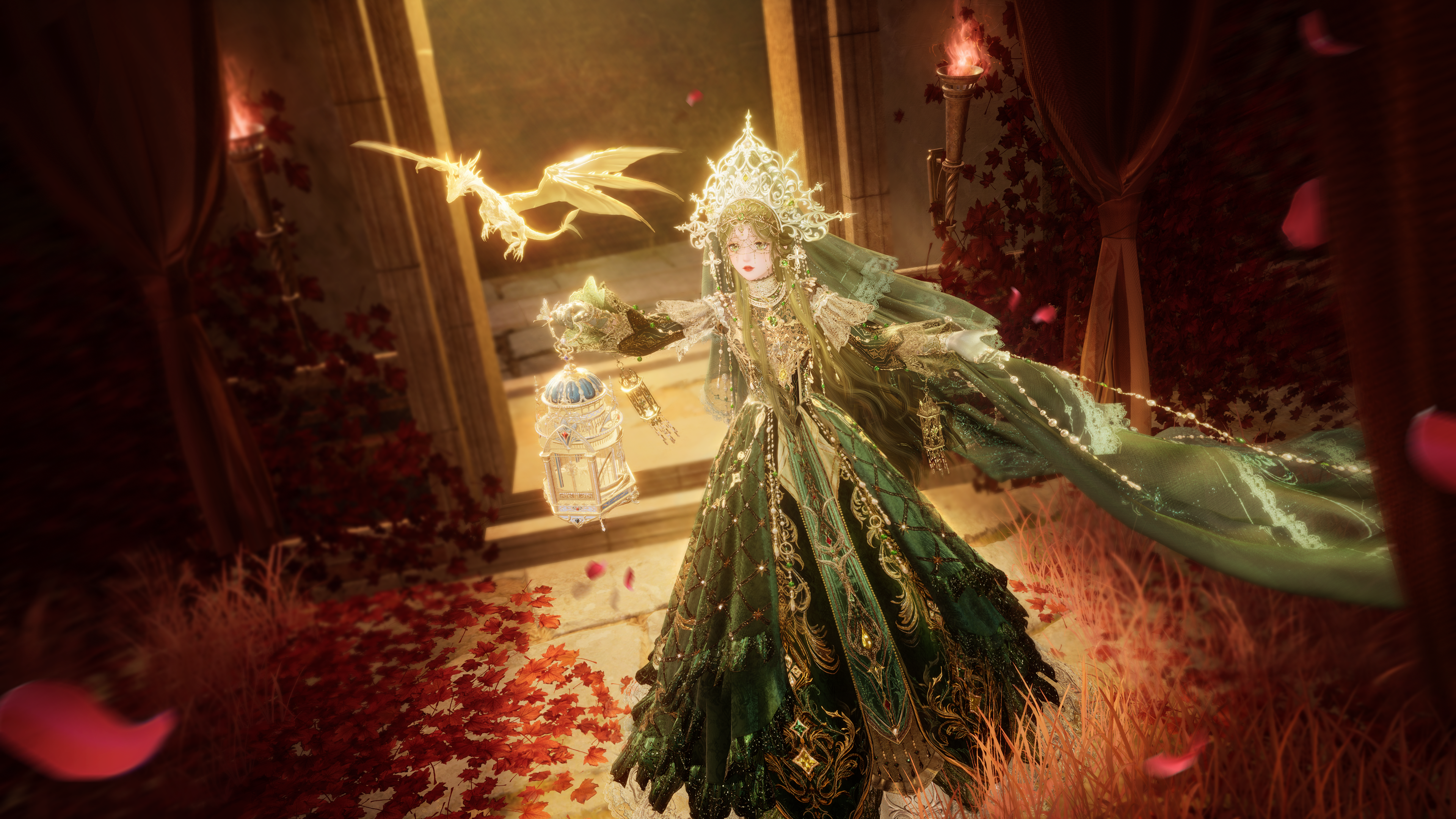
I spent a long time thinking about how best to bring such beautiful imagery and storytelling to life. Then an idea struck me—why not write a theme song especially for the Divine Maiden and the Saintess? And that's how this dual 5-Star track was born. (Remarkably, it came together with almost no revisions at all—it truly felt like fate!).
The piece opens with a gentle piano introduction, followed by a soft, slowly unfolding female vocal. Around the 36-second mark, as the Saintess and the Divine Maiden appear on screen, one ascending a staircase while the other descends, the chorus makes its first appearance. Here, we introduced a subtle musical detail: the main melody descends while a secondary instrumental line ascends, using this crossing motion to mirror the contrast in their destinies.
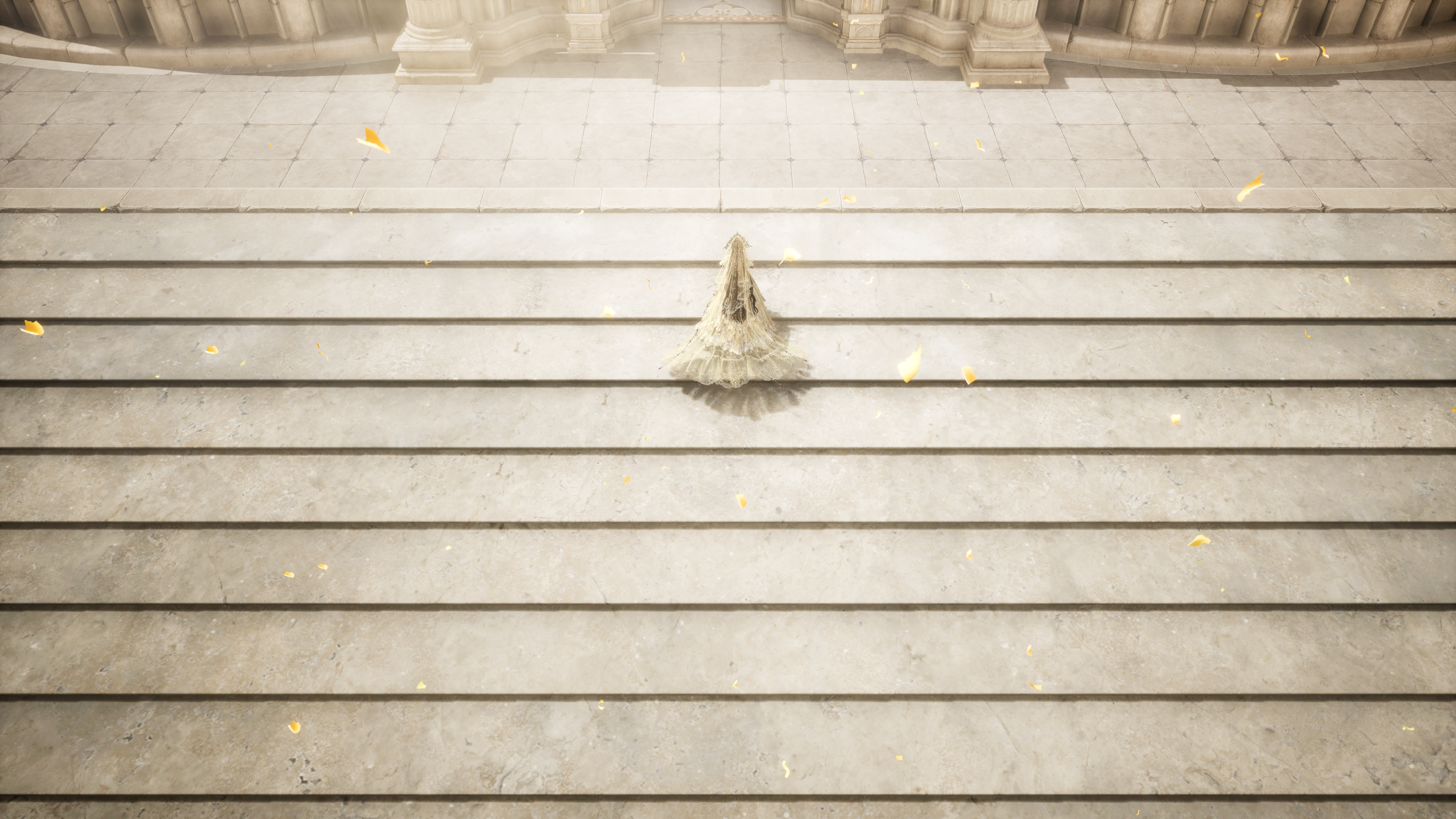
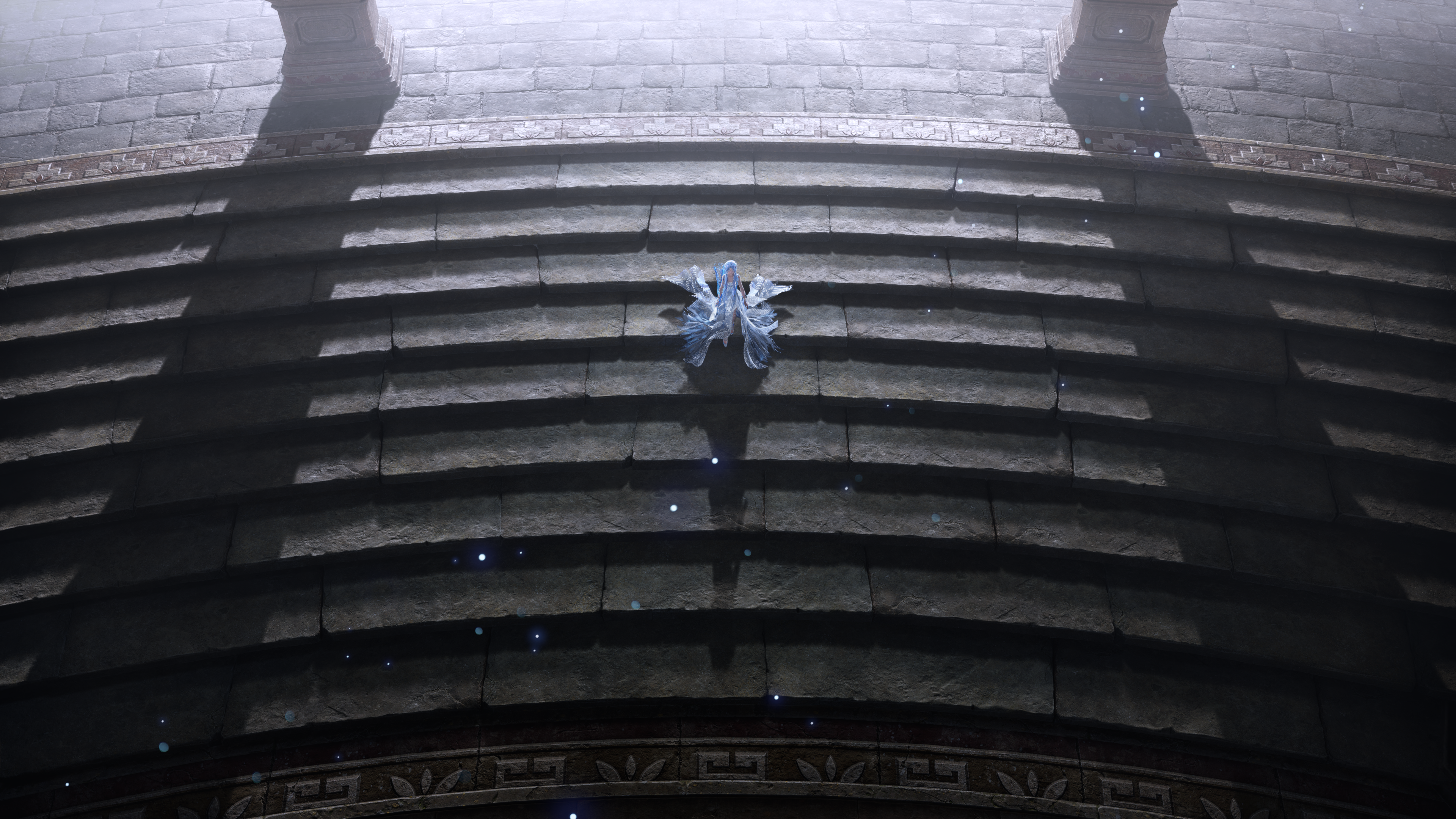
The Prayer: During the prayer scene, as the line "know my fate won't change" is sung, the music slowly transitions into a chant-like form. A single violin enters, evoking the sacred moment of the Divine Maiden in prayer. Viola and cello are gradually layered in, and the music's intensity continues to rise until the Saintess collapses from exhaustion. In the aftermath, everything falls silent, leaving only the sound of a single, lingering breath.
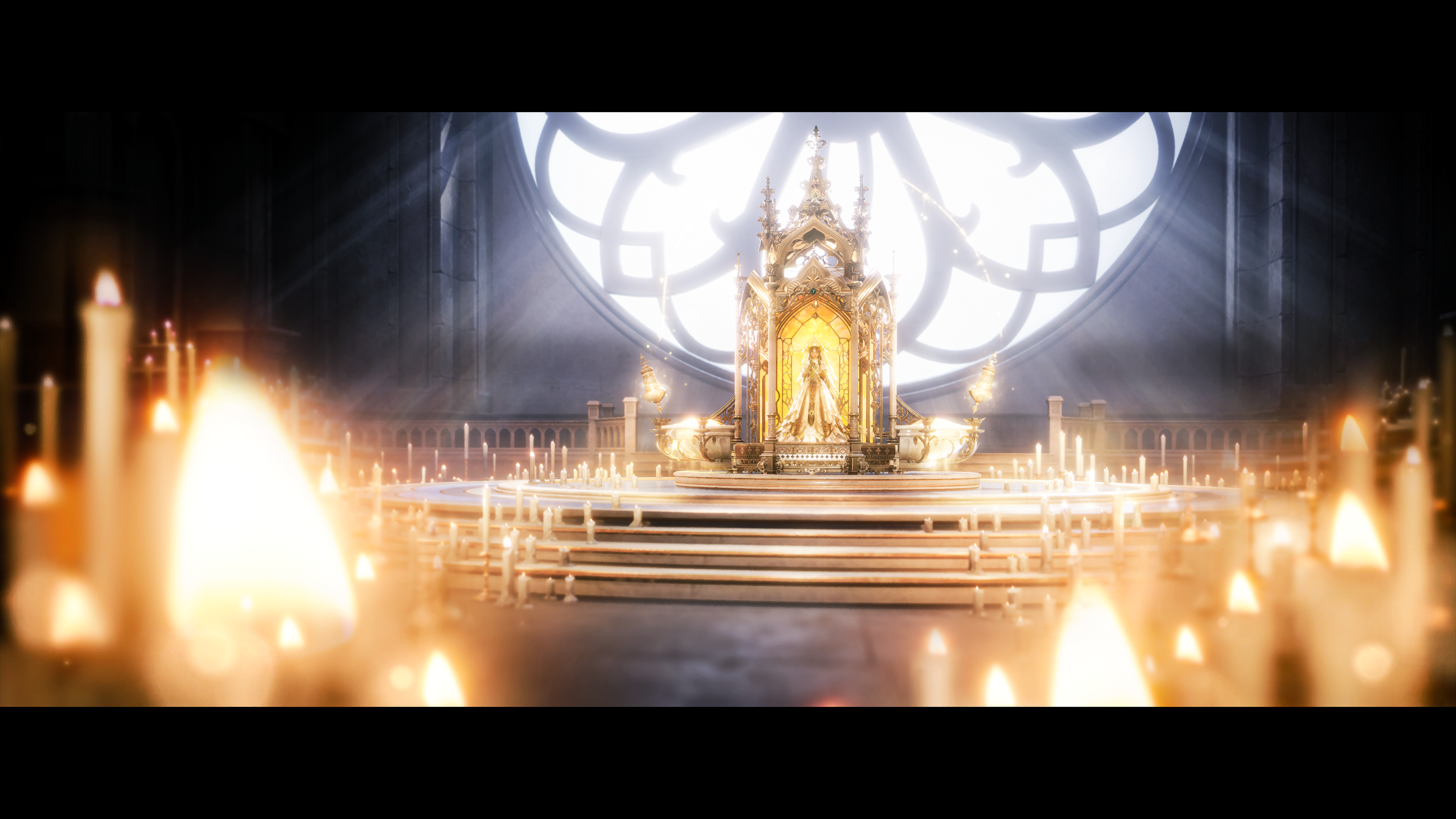
Meteor Streak & Breaking Free: Starting at 1:36, the music begins to swell with a dense, pulsating electronic rhythm, built from a Pluck-type sound commonly used in electronic tracks. The tempo gradually climbs from 92 to 105 BPM, while the layers of notes and instrumentation grow richer and more complex. This rising intensity mirrors the characters' burning desire to break free, perfectly syncing with the energy of the visuals.
When the Divine Maiden seizes the bars and shatters her constraints, the music pauses for a heartbeat. As the scene shifts to the two of them holding hands, the main melody erupts in a powerful vocal: "I hear, true call, free heart, new god, ready to shine." The instrumentation reaches its peak here, fusing seamlessly with the on-screen emotion.
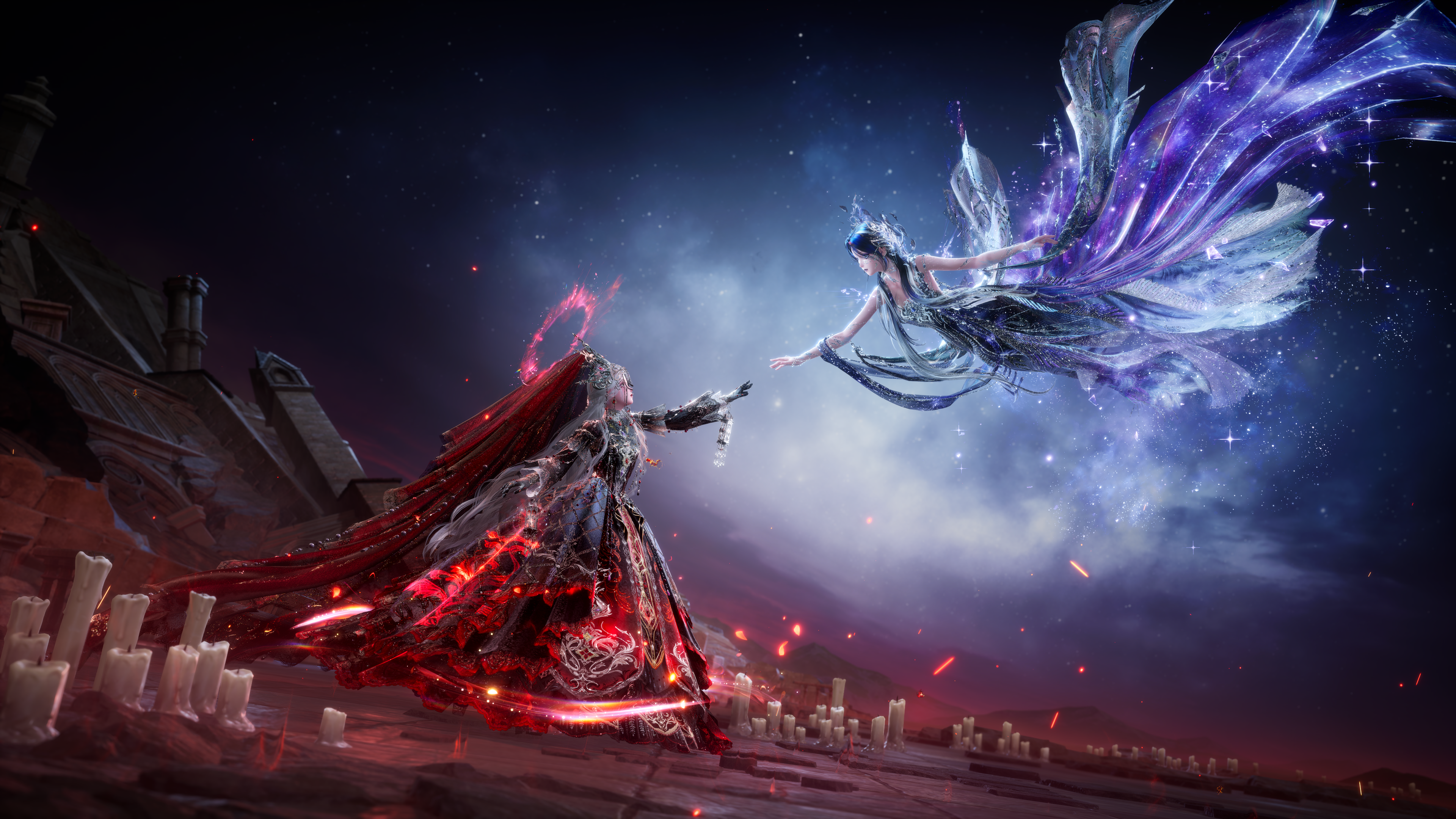
This moment marks the convergence of the Saintess and the Divine Maiden—the very essence of our track "Collide."
The Itzaland theme song, "KUNA! Itzaland!", stands apart from the PV tracks as a pure song, almost like a call-and-response piece. Its structure was fixed from the start and couldn't be adapted to match visuals the way PV music can. We began by crafting a minimalist demo to establish the core framework, and only after that were the storyboards finalized.
That said, the music didn't dictate everything. To bring the world to life for stylists, we collaborated closely with the video and promotional teams, making careful adjustments to the arrangement, atmosphere, and tempo. Through this thoughtful, iterative process, the final version emerged—a track that perfectly captures the energy, spirit, and wonder of Itzaland.
Q: The theme song is incredibly catchy and infectious! What's the story behind its creation?
A: The theme song was actually one of the earliest tracks we began working on for version 2.0, but it also had the longest development cycle (though technically, the very first track we started was the Shell Island boat song—remember to check it out in-game!). Its creation was a blend of smooth progress and occasional challenges, and it also served as a demonstration of our process for producing major content.
The idea for the Itzaland theme song first emerged during a brainstorming session. We explored several key directions: "epic and grand," "cheerful and lively," "catchy and addictive," and "integrated with gameplay." After reviewing all available 2.0 story materials and concept documents, we realized that the Shroomlings' endlessly curious nature—they always want to "see everything for themselves"—perfectly embodied the spirit we were aiming for. This inspired our "we want it all" approach.
We wanted to capture the essence of the new world with a single theme song, reflecting the Shroomlings' culture and way of life.
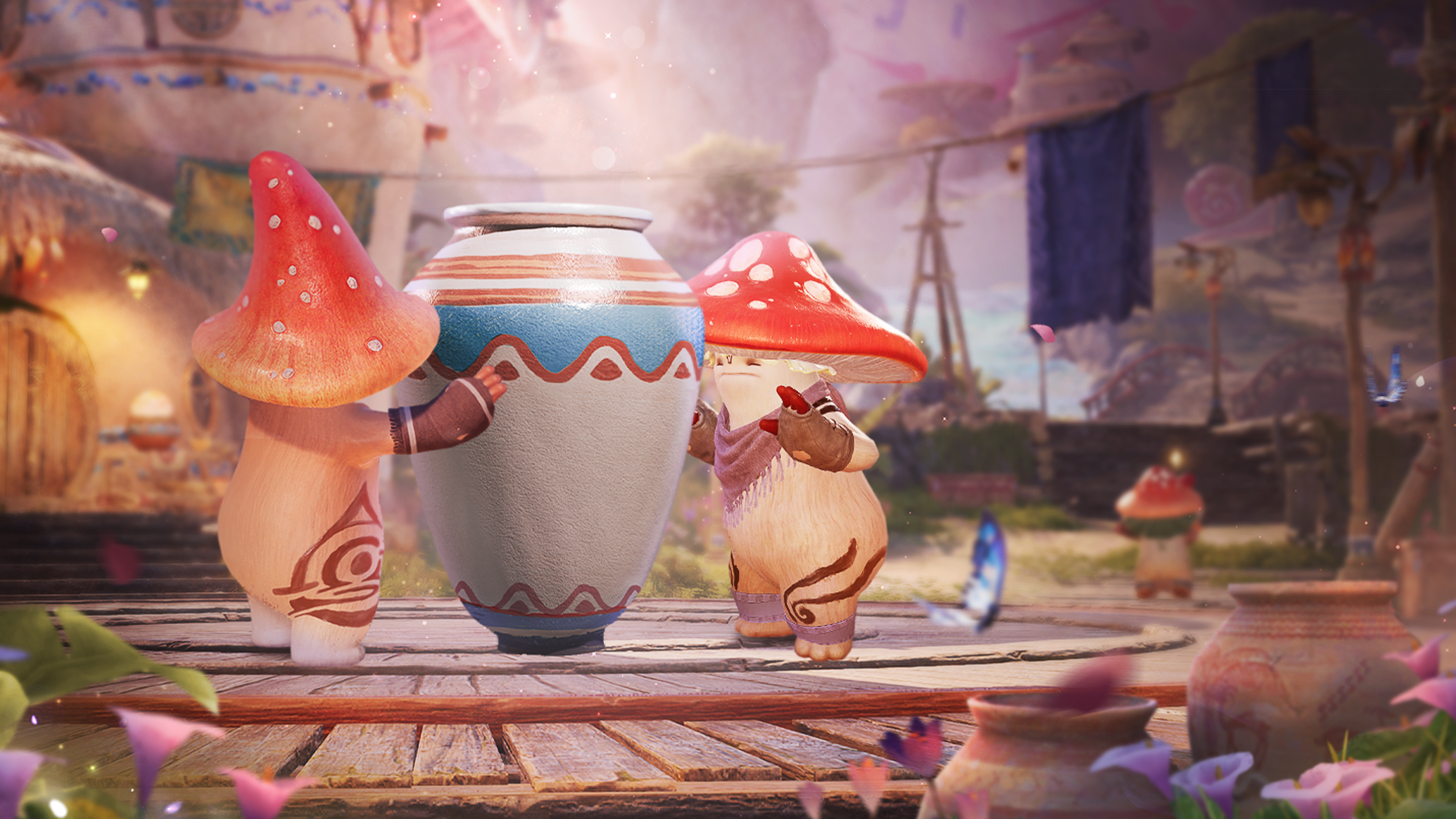
From there, the theme song took on a life of its own—a vibrant track that captures the epic grandeur of forest life, the playful energy of Shroomling daily life, a delightfully addictive "kuna kuna" hook, and musical motifs tied to the Spira mini-games.
The song's overall structure came together quickly, almost like drafting a script—it was crafted to guide the listener's emotional journey from beginning to end. The verses paint the lush beauty of Itzaland, drawing listeners into this vibrant, living world. The pre-chorus shifts focus from the scenery to its inhabitants, using a playful call-and-response style to capture the Shroomlings' everyday joys in different moods. The final line bursts forth with energy—"It ain't that baffling! Let's go and find out!"—sending the emotion soaring to its peak.
The chorus highlights the act of "seeing." It's not just about admiring the scenery—it invites stylists to immerse themselves in Itzaland's culture, explore its unseen wonders and adventures, and feel a genuine connection to this new world.
Once we landed on the hook—the key phrase "Let's go and find out!"—we immediately shaped a melody based on the intonation of the Shroomling language. This became the guiding "eye" that directed the song's entire development.
All of this was decided to the music team's satisfaction before we even left the brainstorming session!

From the initial idea to actual composition, the process almost felt effortless—the melody only went through a single revision. Extensions from the original structure fell into place naturally. Take the opening "get ready," for example: it was designed to capture one's attention. Yet the call-and-response style, inspired by the Shroomlings' local traditions, came about entirely by happy accident. The later addition of the lyric "for the rain" became the perfect finishing touch.
The chorus was originally even catchier and more addictive, but both the composition and promotion teams felt it needed to feel grander. Transforming a quirky, infectious tune into an epic piece might sound abstract, but with music, anything is possible! Epic doesn't have to mean tragic or solemn—the very act of life being born is a miraculous epic. So instead of relying on the traditional epic sound, we anchored the chorus in vitality.
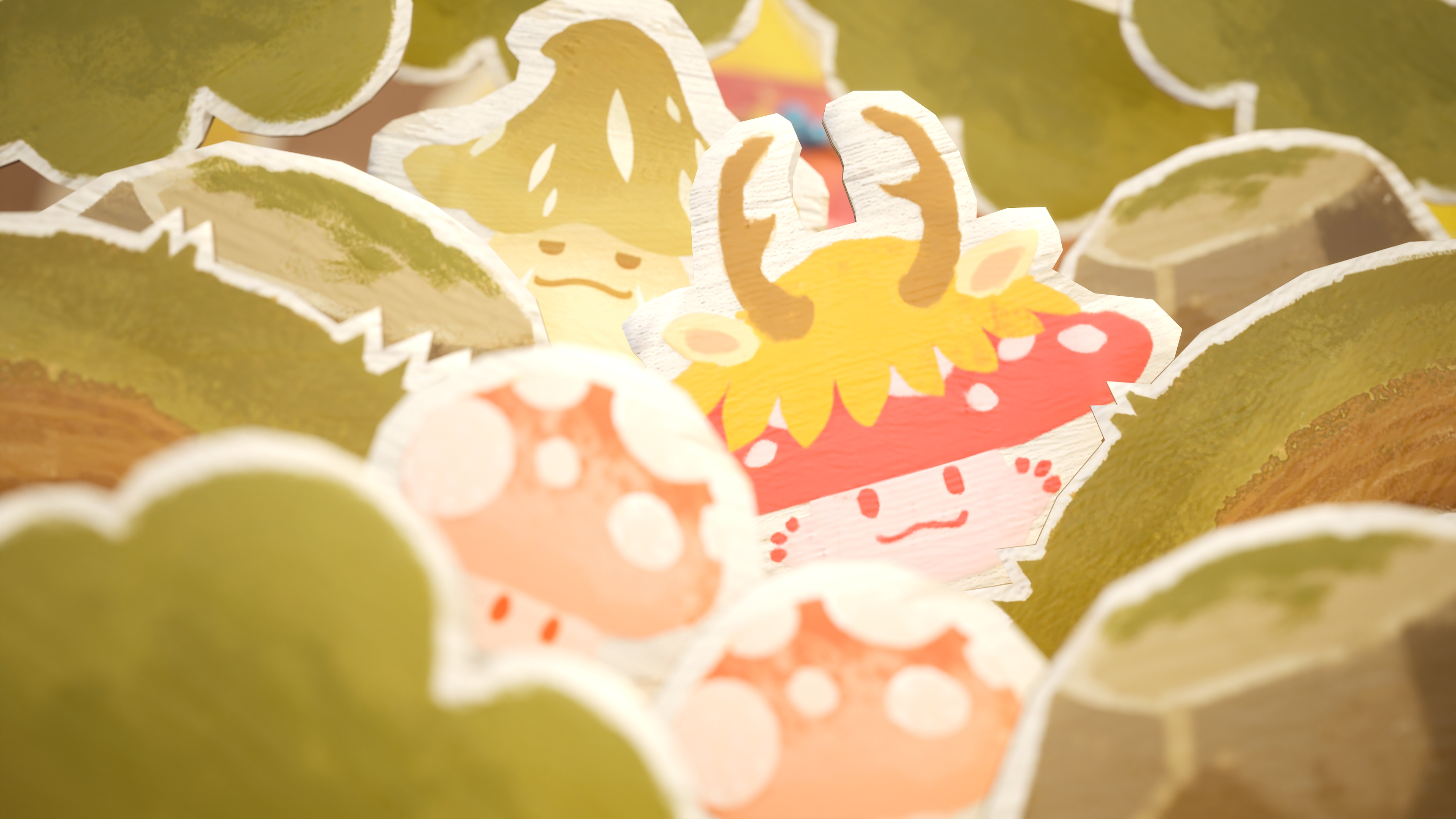
We preserved the melody's original distinctive rhythm while adding more communal low-frequency percussion in the arrangement. The melody and chords were subtly adjusted, gently tempering the pure joy to better align with the lyrics, creating an Itzaland that feels vibrant and full of life, yet carries the weight of its rich history. (A later interview with Idina, along with feedback from stylists, confirmed that we had successfully conveyed this—truly rewarding!)
The "one, two, three, four" in the post-chorus is an uncommon structure that came about almost by inspiration. The composer felt the song needed a simple, bold, summarizing element to reflect the Shroomlings' life philosophy. When crafting it, only the triplet rhythm consistent with the original folk-inspired style and the outline line "one, two, three, this is Itzaland" were fixed—the exact wording of their life philosophy wasn't finalized. In the end, we hammered it out word by word, poring over documents together at 2 a.m., navigating time zones, to get it just right.
Q: In the birthday PV, we hear not only the familiar Sea of Stars melody but also the "Happy Birthday" song! What little touches went into this music?
A: This birthday PV is all about facing the future with courage. Memories of Nikki's adventures with her friends over the past year rise within the Sea of Stars, coalescing into star-shaped constellations that form a luminous galaxy. These memories surround Nikki as she strides forward with her sword, lighting the way through the chaos and following the starlit river toward the future with bravery and hope.
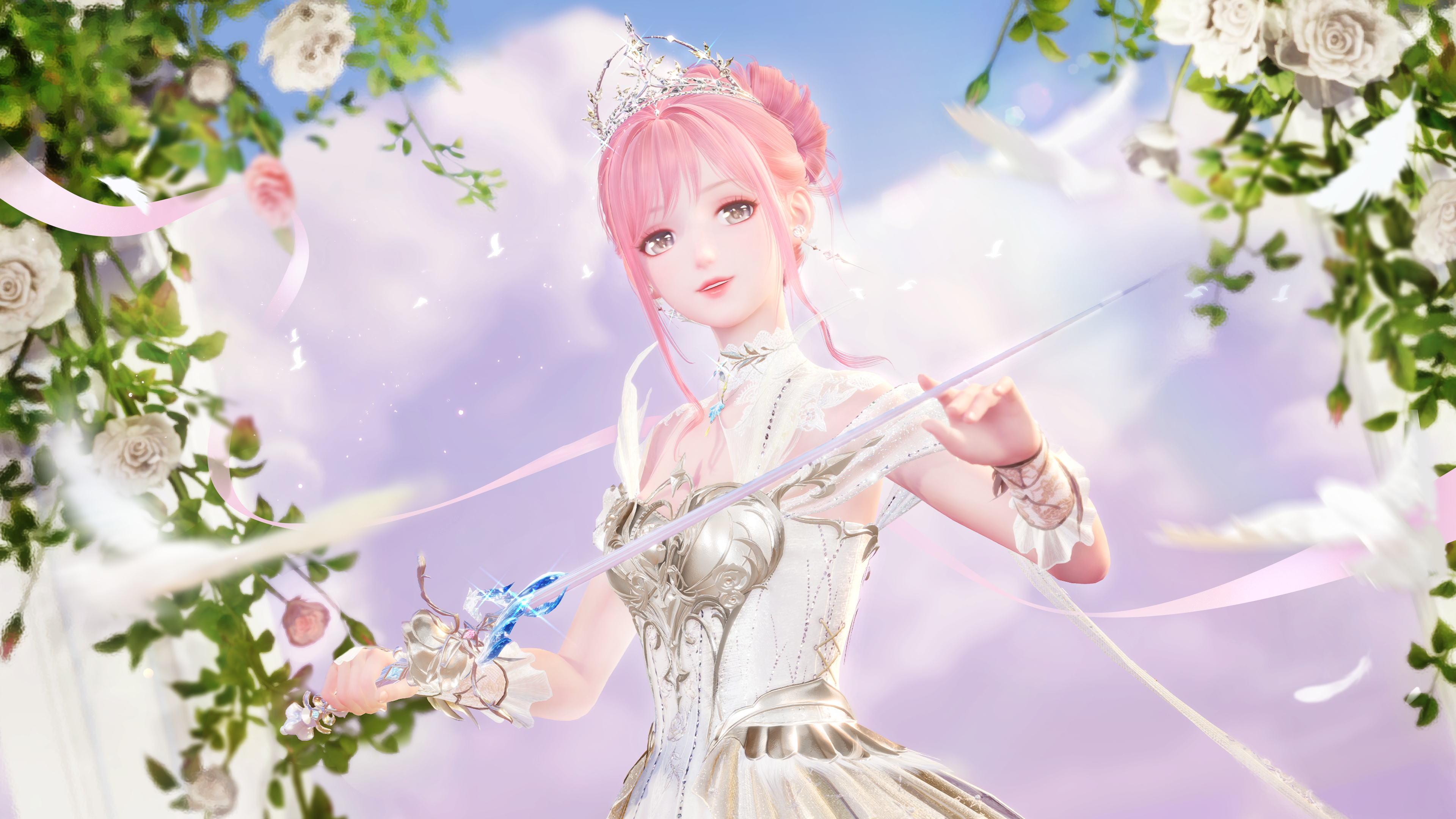
This PV offers the deepest glimpse into Nikki's inner world. The endless Sea of Stars symbolizes her countless treasured memories. Our primary goal for the music was to create a melody that is beautiful, captivating, and simple—one that stylists could hum along to, allowing them to genuinely experience and share in Nikki's sense of wonder and joy.
At the same time, we wanted the music to feel untethered from any single region of Miraland, continuing the distinctive character of the Sea of Stars—a style that sits somewhere between cinematic score and a pop song. We drew on melodic motifs from "Echoes of the Stars," crafting a clear, memorable main theme that is both warm and expansive, perfectly mirroring Nikki's gentle yet resolute nature. Carefully selected synthesizer tones evoke the texture of the starry sky, while orchestral instruments, percussion, and ethereal female vocals come together to create a sound that is epic, sacred, and dreamlike.
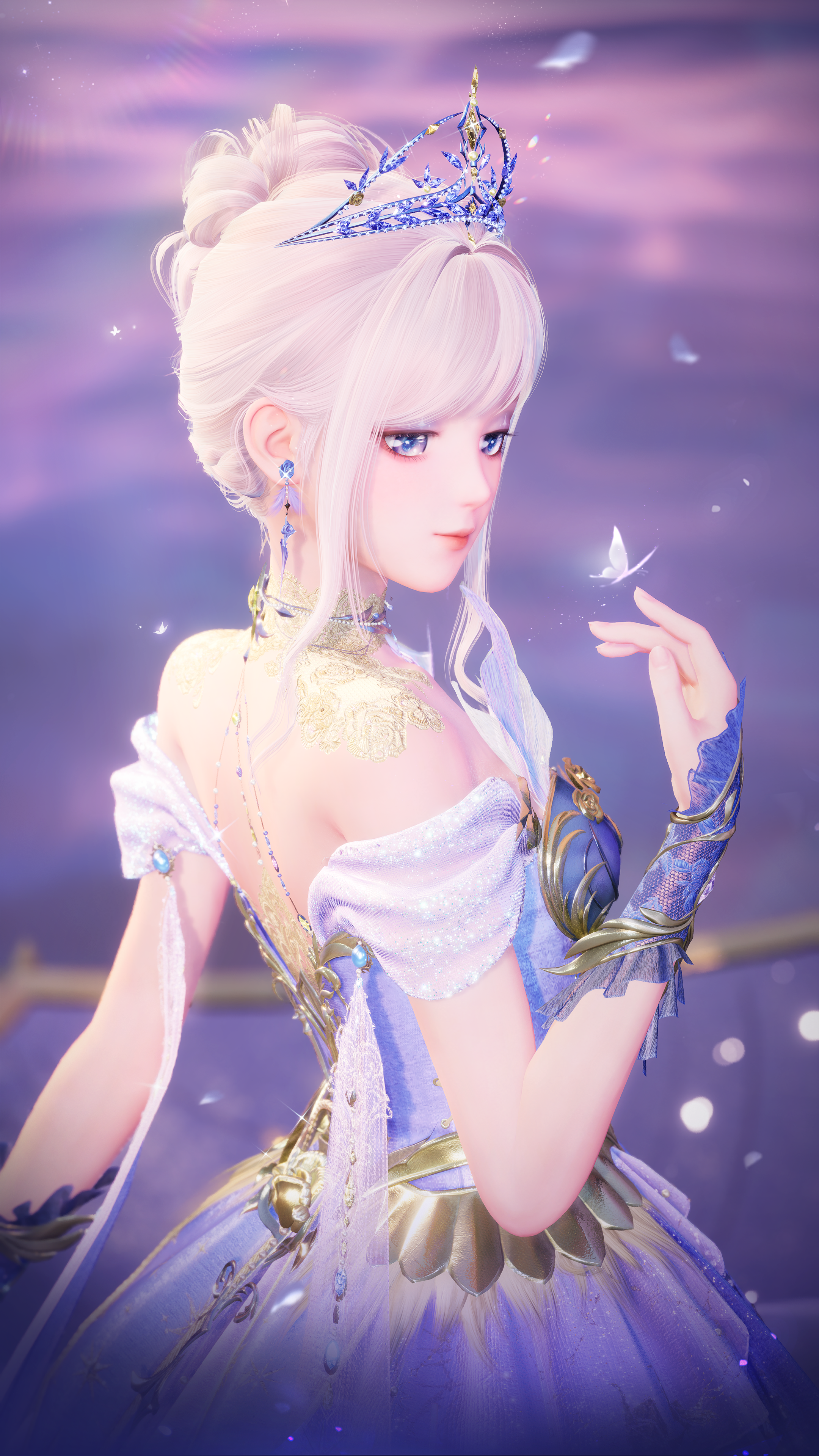
Of course, we didn't forget that this was Nikki's birthday celebration, so we carefully integrated the "Happy Birthday" melody into the Sea of Stars theme. Remarkably, the two melodies share the same warmth and brightness, merging together seamlessly. As Nikki's memories with her friends gather into a giant five-pointed star, the music transitions effortlessly from the Sea of Stars theme into the birthday melody, symbolizing their heartfelt wishes. The result is tender, uplifting, and full of serenity—filling Nikki with the courage to embark on her new journey of guardianship.